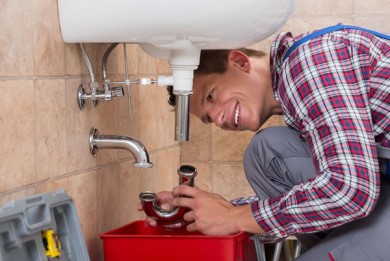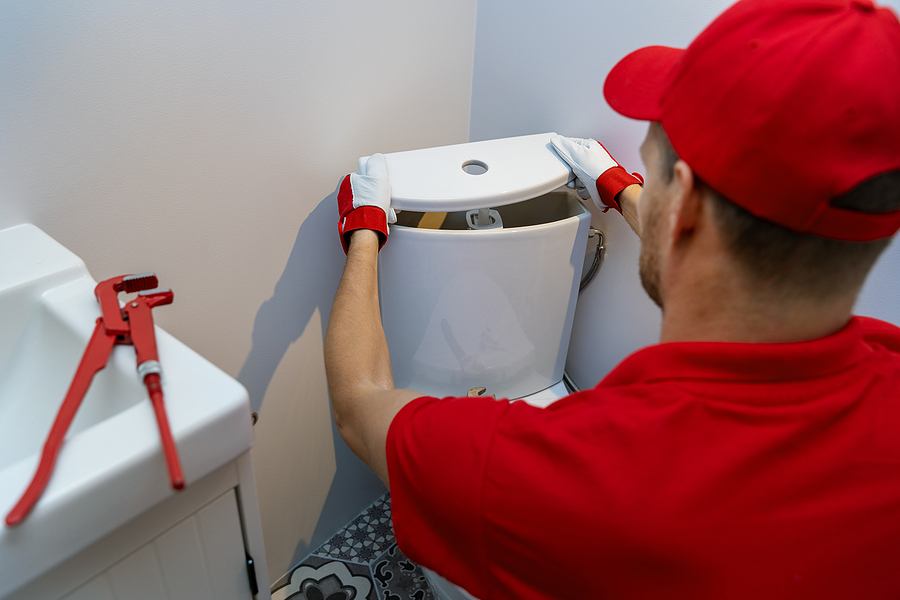
Converting your toilet to a dual-flush system is an environmentally beneficial method of reducing your utility bills and conserving water. A dual-flush toilet provides two emptying options: one for liquid waste and a more powerful one for solid waste. This straightforward adjustment has the potential to substantially decrease water consumption.
In this blog post, our professionals from Neighborhood Plumbing will provide a step-by-step guide to help you through the process, with insights on when to consider professional help from a plumbing service.
Before diving into the conversion process, it's essential to understand why a dual-flush toilet is a worthwhile investment. Traditional toilets use a significant amount of water per flush, often more than necessary for liquid waste. However, dual-flush systems offer a full flush option that consumes approximately 1.6 gallons per flush (gpf) for solid waste and a reduced flush option that consumes approximately 0.8 gpf for liquid waste. This is a cost-effective and environmentally responsible option, as it can save thousands of gallons of water annually.
To convert your toilet to a dual-flush system, you'll need a dual-flush conversion kit. These packages are readily accessible at hardware stores or online. Prior to making a purchase, verify that the kit is compatible with the model of your toilet. You'll also need basic tools like a screwdriver, adjustable wrench, and possibly a hacksaw.
Safety first! Before starting, turn off the water supply to the toilet. This is typically accomplished by rotating the valve situated behind the toilet counterclockwise until it reaches a halt. Use a sponge or towel to absorb any residual water after flushing the toilet to empty the tank. This step is crucial to prevent water spillage during the installation.
Once the tank is empty, you can begin removing the old flush mechanism. Lift the flush valve assembly from the tank by detaching the flapper. Keep your instruments readily available in case this step necessitates loosening some screws or nuts. If you're unsure about any part of this process, consider consulting a plumbing repair service. This is particularly crucial if your toilet is equipped with older plumbing fixtures that may be fragile or corroded.
Comply with the instructions that are included with your dual-flush conversion kit. Generally, this involves installing a new flush valve and a dual-flush button or lever. The kit should include the necessary gaskets and other components to ensure a secure fit. Check that all components are properly aligned and secure all connections to prevent leakage. If you are uncertain about your capacity to implement the kit correctly, do not hesitate to seek the help of a professional plumber.
Once the toilet installation of your dual-flush system is complete, turn the water supply back on and let the tank fill up. Press both the half and full flush controls to evaluate the dual-flush system. Ensure that the water levels in the tank and basin are suitable and that there are no leaks. If required, modify the flush parameters in accordance with the kit's instructions.
Are you in need of a toilet replacement? Luckily, we at Neighborhood Plumbing have dedicated workers ready at your service. Contact our representatives for more questions.

Porcelain is known for its strength and durability, but…
Clogged drains are among the most common plumbing issues…

If you’ve ever run out of hot water mid-shower…


Desimond was very courteous, knowledgeable, and professional. We would recommend him for your plumbing needs. Same day service and an easy process overall.
Excellent work. Clean, effecient, timely, and friendly. Wore mask and kept a proper social distance. I would use Neighborhood Plumbing again. For an emergency repair…
Used them for my rental property in Pittsburgh for leak detection and repair. Their technician showed up on time and were able to locate the…